
Luxury used to be easy to define. It was new, polished, and often out of reach. It lived in boutiques and seasonal drops, where value was tied to price and exclusivity. For a long time, the idea of luxury depended on distance. The less accessible something was, the more desirable it felt.
That definition is starting to shift. Quietly, second hand culture is reshaping what luxury means today. Not by rejecting it, but by refining it. The focus is moving away from newness and toward meaning. From ownership to experience. From status to story.
This change connects to how people are building their wardrobes more intentionally. As explored in our piece on owning less clothes, value is no longer tied to quantity. Fewer pieces, chosen carefully, create more attachment. Second hand fits naturally into that mindset.
What makes second hand feel luxurious now is individuality. A vintage piece carries something that cannot be replicated. The wear, the texture, the imperfections all add depth. These are qualities that new products often try to imitate but rarely achieve.
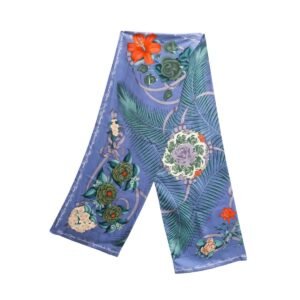
A Vintage Hermès Silk Scarf reflects this perfectly. Beyond craftsmanship, it carries a sense of continuity. The fabric, slightly softened over time, feels more personal than something untouched. It exists outside of trends.
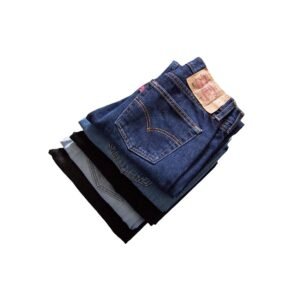
The same applies to Vintage Levi’s 501 Jeans. Each pair fades differently, adapting to the person who wore them. That uniqueness turns a simple garment into something personal and long lasting.
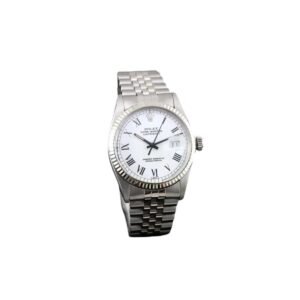
Objects like a Vintage Rolex Datejust push this even further. They represent longevity rather than novelty. A watch that continues to function decades later challenges the idea that luxury needs constant renewal.
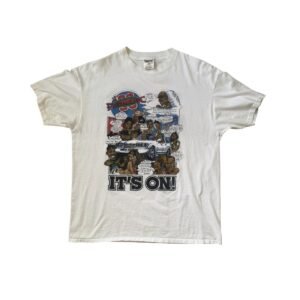
Even a vintage band tee or old merchandise piece can hold this value. These items are tied to specific cultural moments. They feel irreplaceable not because they are rare, but because they are specific.
The lifecycle of a product is becoming just as important as its release. Pieces that last, evolve, and hold meaning over time are becoming more desirable.
Luxury today feels quieter. It is less about being seen instantly and more about being understood over time. Second hand is not replacing luxury. It is redefining it through longevity, story, and personal connection.
Even with these examples, they represent only a small part of what exists. The shift is still growing. If luxury once depended on being new, it now depends on being meaningful.
This post may contain affiliate links. If you make a purchase through these links, we may earn a commission at no extra cost to you.